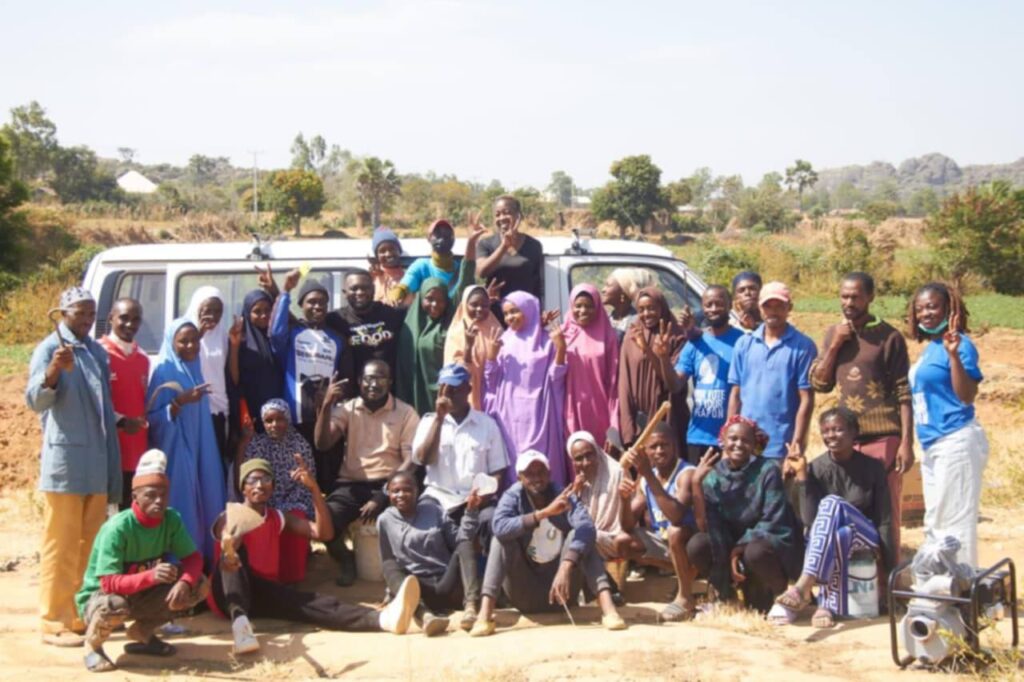
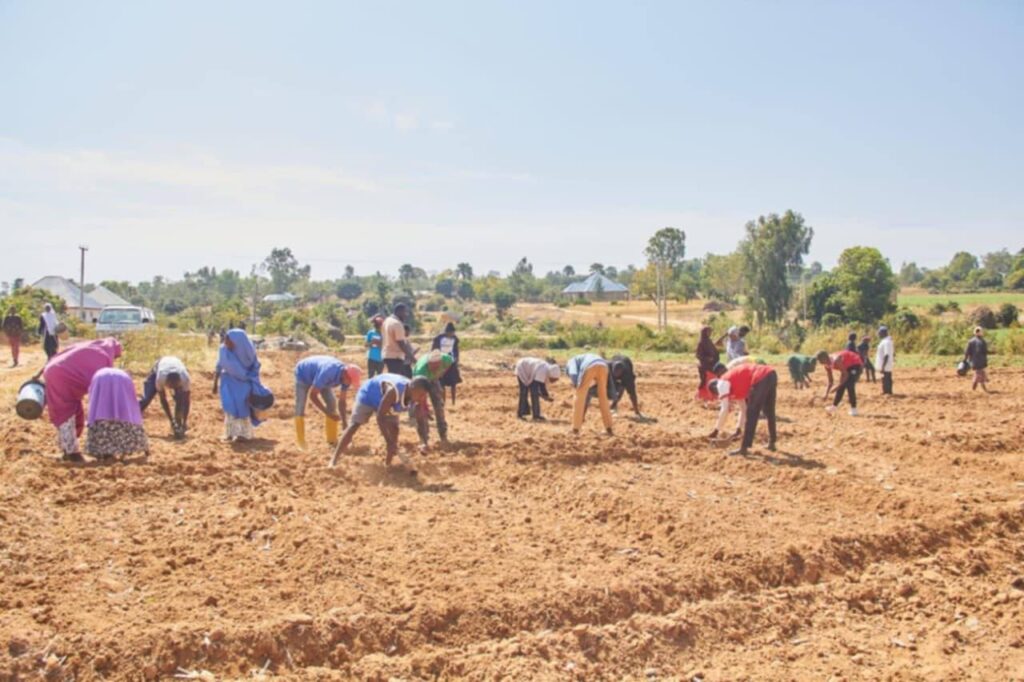
There is a kind of learning that only happens when your hands are in the soil. It is the learning that sticks, that moves from being information you received to something you know in your body. YARAC created space for exactly that kind of learning at the demonstration farm in Kihang-Buhit Community, Bassa LGA.
Following the completion of classroom training on Organic Farming and Compost Manure Production, participants, young female and male farmers and herders took part in a practical field session. With guidance and tools in hand, they put compost preparation techniques into immediate practice, turning theory into action on the actual demonstration farm.
What Organic Farming Means for This Community
For communities like Kihang-Buhit, organic farming is not a lifestyle trend — it is a practical solution. Compost manure reduces dependence on expensive chemical fertilizers, improves soil health over time, and creates a circular system where waste becomes resource. These are significant benefits for smallholder farmers working with limited land and capital.
But the benefits extend beyond agronomy. Organic farming provides farmers and herders with a shared technical vocabulary and shared practices — building the kind of everyday cooperation that makes conflict less likely and collaboration more natural.
Turning Knowledge Into Action
The practical session reinforced a core conviction that runs through all of YARAC’s programming: knowledge is most powerful when it leads to action. Participants did not just learn how compost works — they made it. They did not just study sustainable agriculture — they practiced it.
This hands-on approach strengthens collaboration between farmers and herders, building a more sustainable and peaceful community from the ground up. With support from the UK Foreign, Commonwealth and Development Office (FCDO) through the SPRING Programme in Nigeria, YARAC continues to invest in learning that truly lands.